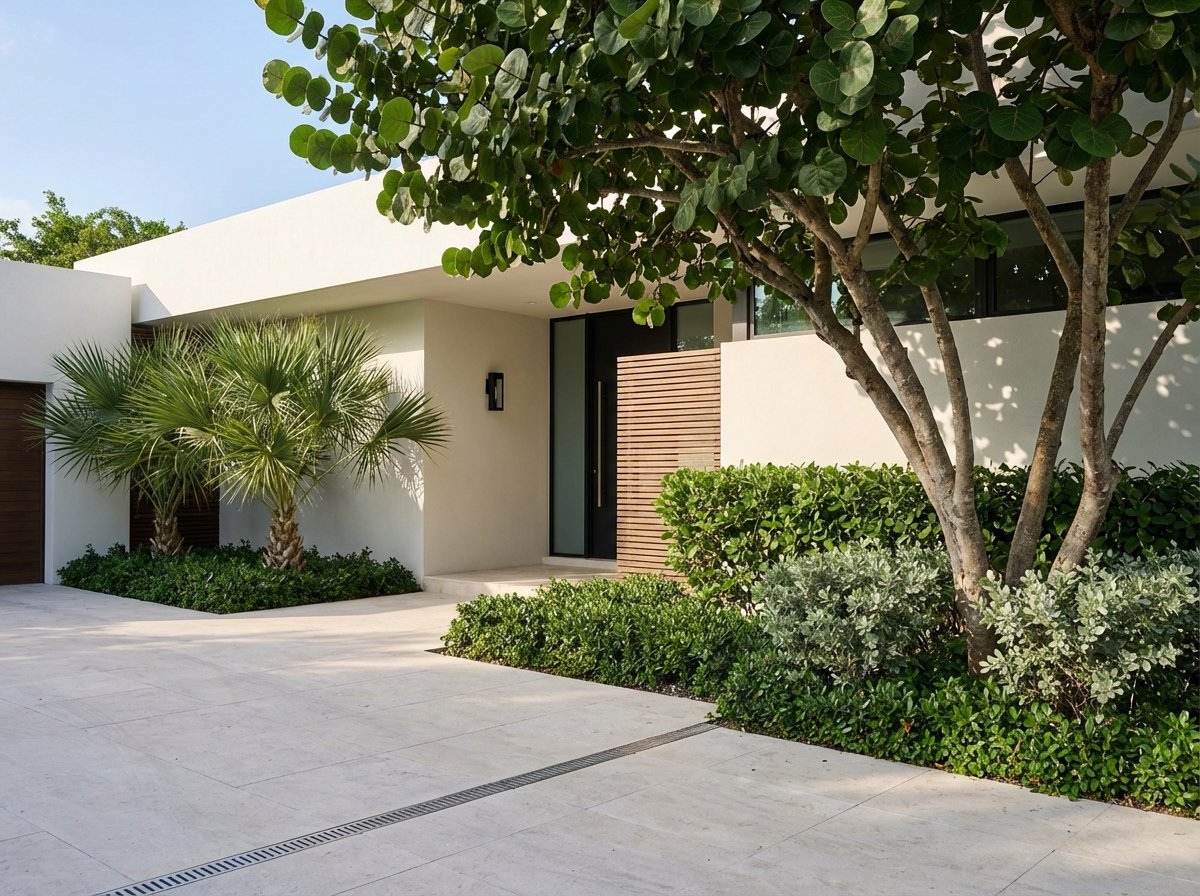
Living in Boca Raton: An Insider’s Local Guide
February 19, 2026
February 19, 2026
Ever picture your morning starting with a warm breeze and a sunrise stroll by the ocean, then wrapping the day with dinner under palm lights downtown? If you’re weighing a move to Boca Raton, you likely want equal parts beach, convenience, and culture. You also want straight answers about costs, neighborhoods, commute, and weather. This guide breaks down what everyday life looks and feels like so you can decide if Boca is a fit. Let’s dive in.
Boca Raton is a mid‑sized coastal city of just over 100,000 people with a strong base of year‑round residents and seasonal owners. According to U.S. Census QuickFacts for Boca Raton, about a quarter of residents are 65 or older, and more than 60 percent hold a bachelor’s degree or higher. The median value of owner‑occupied homes is about $722,700, and the mean travel time to work is around 21 minutes. Rents and home prices tend to sit above national averages, with wide variation by neighborhood and property type.
Boca’s weekly rhythm blends coastal calm with city ease. East Boca leans beachy and walkable in pockets, while downtown centers on dining and culture. West Boca offers suburban convenience, newer communities, and many of the regular errands.
Start a Saturday at Red Reef Park for a quick snorkel or a boardwalk stroll, then stop by Gumbo Limbo’s sea‑turtle tanks and shaded trails. These oceanfront anchors are favorites for residents who like low‑key, nature‑driven outings. Spanish River Park is a go‑to for sunrise walks, picnics, and family beach days.
For an evening out, the central loop around Mizner Park delivers restaurants, shops, the museum, and an amphitheater for concerts and events. If you want an easy indoor errand run or brand‑name shopping, Town Center at Boca Raton is the primary regional mall. The dining scene trends upscale near Mizner and more casual near major corridors, so you can match the plan to your mood.
Weekdays often look like this: school drop‑offs, grocery runs, and appointments around West Boca or Town Center, then an evening walk in a neighborhood park or a quick drive to the beach. Live music nights at Mizner and family programs at city parks add easy after‑work options.
You will find a wide range of styles and lifestyles across Boca. Here is a simple way to picture it:
Price points vary widely by waterfront access, school zoning boundaries, age of construction, and amenities. Beachfront and Royal Palm properties sit at the top end. Many condos and West Boca homes offer more approachable entry points.
Most residents drive for daily errands. I‑95 runs north to south, with Glades Road, Palmetto Park Road, and Yamato Road serving as key east‑west routes. If you prefer rail, Tri‑Rail’s Boca Raton station on Yamato connects you to regional job centers. For faster city‑to‑city travel without a car, Brightline’s Boca Raton station links downtown Boca with West Palm Beach, Fort Lauderdale, and Miami. Local walkability is strongest around Mizner Park and the beach blocks, while many neighborhoods remain car‑oriented.
Boca’s climate stays warm and humid most of the year, with hot, rainy summers and warm, drier winters. Outdoor routines run year‑round for many residents. The Atlantic hurricane season runs June 1 through November 30, so preparedness and insurance reviews are part of life on the coast. For averages and seasonal patterns, see the climate summary for Boca Raton.
Boca Raton is served by the School District of Palm Beach County. You will also feel the presence of Florida Atlantic University, which reports more than 31,000 students across campuses. FAU influences local dining, cultural programming, sports, and part of the rental market, and it contributes to the area’s job base.
City‑level data shows Boca Raton’s violent‑crime rates generally lower than national averages, with property‑crime trends similar to other affluent coastal suburbs. Review neighborhood‑level data as part of your search, since patterns vary by area. For a broad overview, you can reference city‑level crime summaries.
Housing, services, and insurance often run higher than the U.S. average, which reflects Boca’s coastal location and amenities. The Census reports a median owner‑occupied home value around $722,700, and rental costs sit above national norms. The tradeoff is clear: ocean access, parks, culture, and short regional rail trips, balanced with higher carrying costs and seasonal storm prep.
If you want beach mornings, easy cultural nights, and a compact drive to everything you need, Boca delivers. If you prefer late‑night clubs and a 24‑hour pace, you may find it quieter than Miami. The best way to decide is to walk the neighborhoods, compare condos and single‑family options, and map your weekly routine.
Ready to explore neighborhoods, buildings, and budget ranges that fit your lifestyle? Reach out to Erica Sturtze to schedule a free consultation.
Stay up to date on the latest real estate trends.
Get assistance in determining current property value, crafting a competitive offer, writing and negotiating a contract, and much more. Contact me today to find out how I can be of assistance to you!