
Delray Beach Relocation Guide for Out-of-State Buyers
April 2, 2026
April 2, 2026
Thinking about trading snow boots for flip-flops? Moving to Delray Beach from out of state can feel exciting, but it also comes with a lot of moving parts, from narrowing down neighborhoods to understanding condo documents and Florida homestead rules. This guide will help you focus on the details that matter most so you can make a confident move with fewer surprises. Let’s dive in.
Delray Beach offers a mix of walkable downtown living, beach access, historic character, and residential options that appeal to many out-of-state buyers. If you are comparing Florida destinations, one of Delray’s biggest advantages is that it is not a one-note market.
Downtown Delray Beach is organized into six neighborhoods by the Downtown Development Authority map: The Ave, SOFA, West Atlantic, Pineapple Grove, US1, and Beachside. The city’s Central Business District also includes five sub-districts designed to help preserve downtown’s cultural and historic character.
That matters when you are relocating because your day-to-day experience can vary a lot depending on where you land. Some buyers want to be able to walk to restaurants, shops, and events, while others want a quieter setting with easier parking or a more residential feel.
Before you tour homes, get clear on how you want to live once you arrive. Out-of-state buyers often start with broad goals like “near the beach” or “close to downtown,” but those can still lead to very different property choices.
A smart first step is to filter neighborhoods based on practical factors such as walkability, parking, historic-preservation rules, and whether the area is part of an active public-improvement corridor. Downtown is explicitly promoted as walkable, and the city has current improvement work in the NW neighborhood and Tropic Isle.
If you love character and older architecture, it also helps to understand Delray’s historic areas. The city has five local historic districts, including Marina near East Atlantic Avenue and the Intracoastal Waterway, and Nassau Park, which is the only historic district east of the Intracoastal.
When you are buying from another state, it helps to compare locations through a practical lens instead of relying on a quick online impression. A polished listing photo does not tell you how an area functions day to day.
Here are a few useful questions to ask as you compare options:
For waterfront and beachside buyers, that last point matters. Delray Beach is actively managing its coastline through beach nourishment and marina improvements, which is a useful reminder that coastal ownership comes with extra maintenance and insurance considerations.
This is one of the biggest decisions for out-of-state buyers in Delray Beach. Both options can work well, but the due diligence process is different.
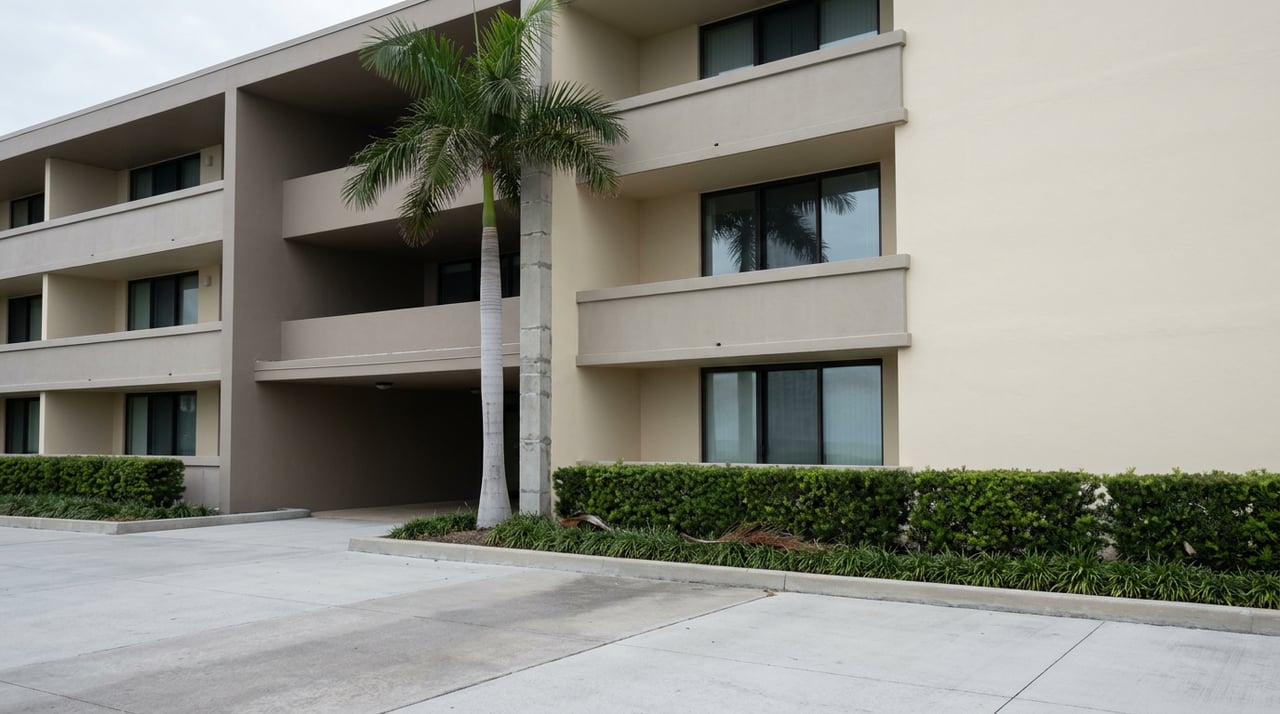
If you are considering a condo, expect a more document-heavy purchase. In Florida, condominium buildings that are three habitable stories or higher must complete a structural integrity reserve study at least every 10 years, and qualifying buildings may pair that study with a milestone inspection through December 31, 2026.
Florida also requires condo buyers to receive the milestone summary and most recent SIRS during the contract process, with buyer cancellation rights tied to receipt of those documents. In plain terms, you should review reserves, assessments, insurance, and inspection history very carefully before moving forward.
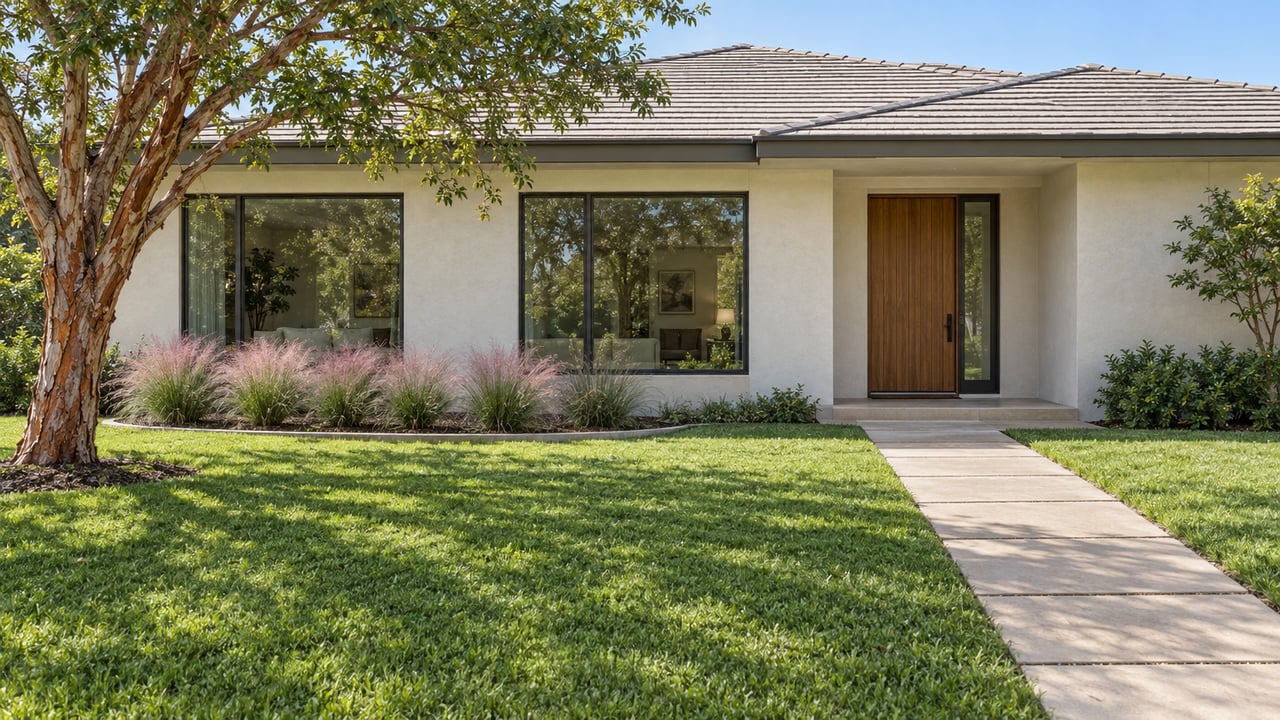
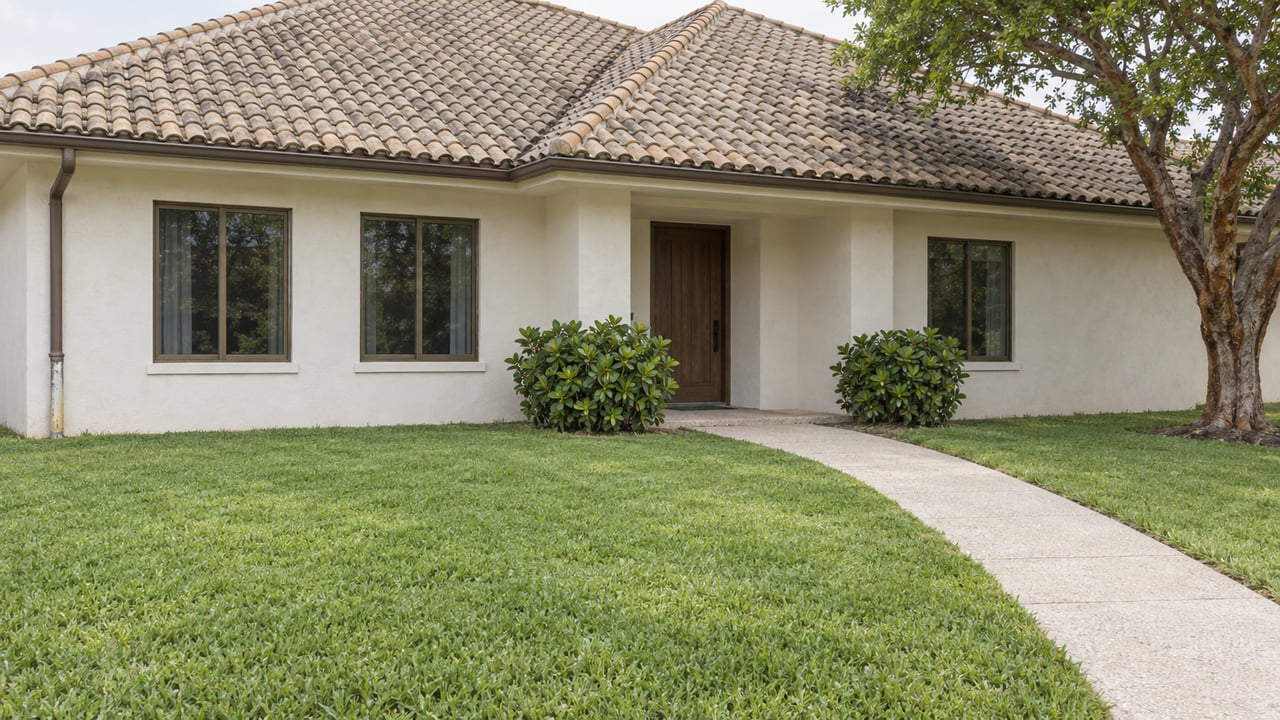
Single-family homes often involve fewer building-level reviews, but that does not mean less homework. If the home is in an HOA, Florida law still requires associations to maintain records, budgets, annual financial reporting, and provide rules and covenants to members and new members.
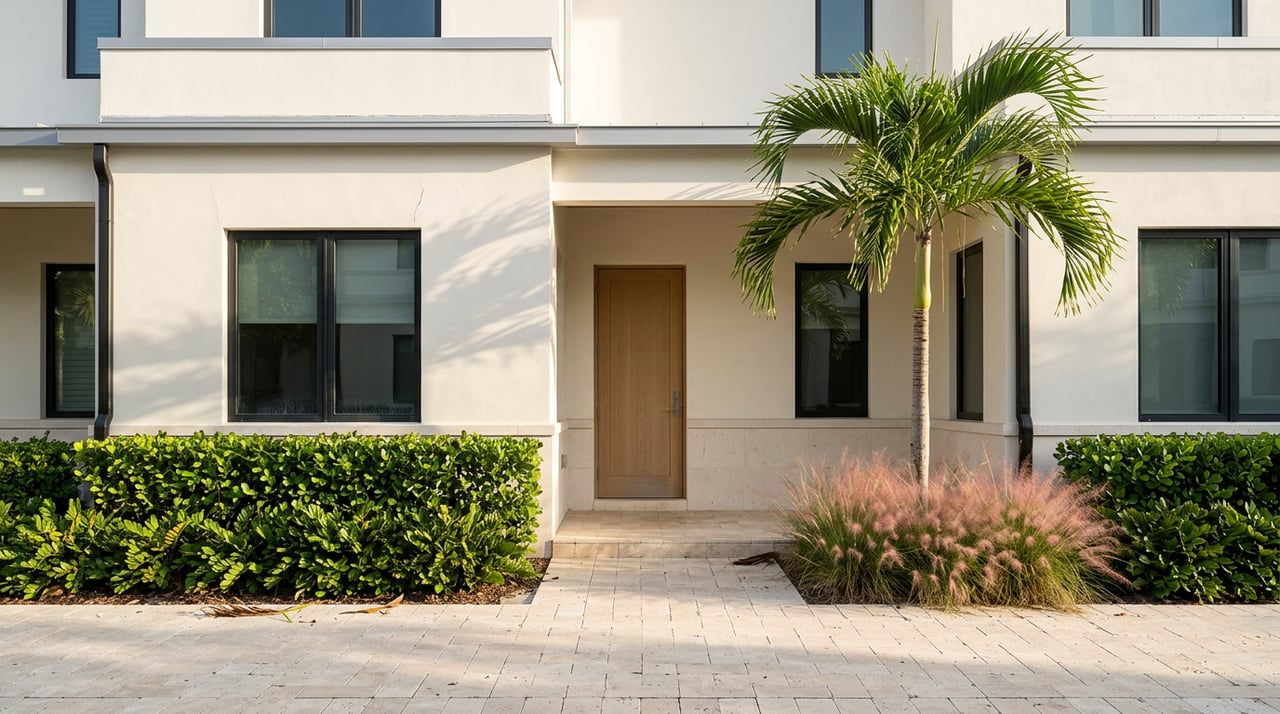
Whether you are buying a condo, townhome, or single-family home in a managed community, association documents can tell you a lot about the property and your future costs. This is especially important when you are buying remotely and cannot casually spend weeks observing the community in person.
For condos, official records can include insurance policies, contracts, accounting records, financial reports, SIRS, milestone reports, and other structural or life-safety inspection reports. According to the Florida DBPR condo FAQs, these records must be made available within 10 working days after a proper written request, and larger condo associations must maintain a website or mobile app with key records.
For HOAs, the same basic principle applies. Under Florida HOA law, associations must maintain records in-state for seven years and provide copies of rules and covenants to new members.
As you review documents, focus on:
If you are worried that buying from another state will be a paperwork nightmare, the good news is that much of the process can be handled digitally. Florida authorizes remote online notarization, which helps simplify closings when you are not local.
Palm Beach County also supports eRecording, free online viewing of uncertified official records, and electronic certified copies through the Clerk’s office. On the property research side, the county’s PAPA system gives you a practical hub for reviewing property information.
There is one important caveat. Some documents cannot be eRecorded, and some agencies may not accept electronically certified copies, according to the Palm Beach County Clerk’s recording guidance. That is why a good closing team still matters, even in a very digital transaction.
For many out-of-state buyers, Florida’s tax picture is part of the appeal. The state does not have a personal income tax, and it does not impose a capital gains tax on individuals.
If Delray Beach will become your primary residence, property-tax planning matters too. Palm Beach County says the homestead exemption applies only to a permanent Florida residence, and you must occupy the home as your permanent residence as of January 1 and file by March 1.
The county also notes that the exemption can save about $750 to $1,000 per year, and e-filing is available. If you already have a Florida homestead, you may also be able to transfer some Save Our Homes benefit through portability to a new qualifying Florida homestead.
When you are moving to Delray Beach from out of state, these are the steps that usually make the process smoother:
Relocating is more than just choosing a home. You are choosing how you want your days to feel, what kind of upkeep you are comfortable with, and how much structure or flexibility you want from your community.
That is where local insight can make a real difference. Delray Beach has distinct areas, different ownership styles, and location-specific considerations that are easy to miss if you only browse listings online.
If you are planning a move and want a calm, informed approach, Erica Sturtze can help you compare neighborhoods, understand condo or HOA details, and build a relocation plan that fits your goals.
Stay up to date on the latest real estate trends.





Get assistance in determining current property value, crafting a competitive offer, writing and negotiating a contract, and much more. Contact me today to find out how I can be of assistance to you!