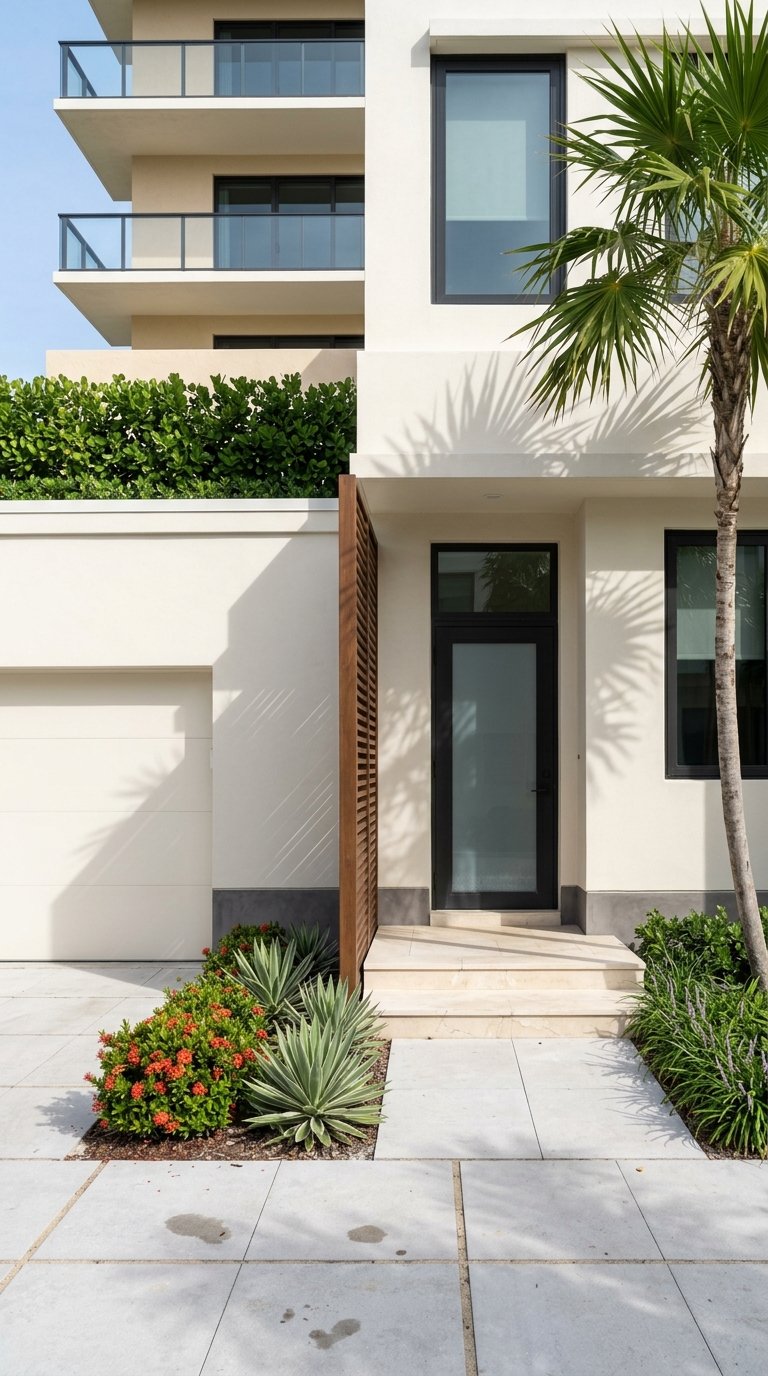
Choosing Between Condos And Townhomes In Delray Beach
April 16, 2026
April 16, 2026
Trying to choose between a condo and a townhome in Delray Beach? You are not alone, and the answer is not as simple as picking the floor plan you like best. In this market, the real difference often comes down to ownership structure, maintenance duties, fees, and insurance exposure, especially in a coastal area. This guide will help you compare the practical tradeoffs so you can make a more confident decision. Let’s dive in.
When you compare condos and townhomes in Delray Beach, the first thing to understand is that you may be comparing two different forms of ownership, not just two home styles. Under Florida condominium law, a condo owner holds title to the unit plus an undivided share in the common elements.
A townhome can be different. In some communities, a townhome is part of a homeowners association where you own a parcel and the association governs the community through required membership and assessments under Florida HOA law. In other words, a property that looks like a townhome may still be legally organized in a way that affects who owns the land, the structure, and the shared spaces.
That is why the recorded declaration matters so much. Before you assume what is included with the property, it is important to verify how the community is actually structured.
For many buyers, the biggest day-to-day difference is maintenance. A condo often offers more association-managed upkeep, but that convenience can come with different fees and rules.
Under Florida Statute 718.113, condominium associations are generally responsible for maintaining common elements unless the declaration says otherwise. The association must also handle maintenance, repair, and replacement of the condominium property it is responsible for.
Townhome communities can be less predictable because the maintenance split is often driven by the governing documents. Under Florida Statute 720.303, HOA powers and duties come from the statute and the community’s documents, which may assign responsibility for common areas, roofs, structural components, and certain building systems.
Before you move forward with either option, ask who is responsible for:
Those answers can shape your monthly costs and your long-term responsibilities more than the listing price alone.
Your choice is also about how you want to live. Some buyers prefer the simplicity of a condo, where more exterior upkeep may be handled by the association.
Others want the feel of a townhome because it can offer more direct control over the property, depending on the community structure. That said, this is not a universal rule. The actual balance of convenience and responsibility depends on the recorded declaration, bylaws, and maintenance provisions for that specific Delray Beach community.
If you are buying from out of town, using the home seasonally, or simply want a lower-maintenance setup, this part of the comparison matters a lot. If you want a clearer sense of what you are personally responsible for, townhome ownership may feel more appealing, but only after the documents confirm what that really means.
A condo or townhome payment is never just about mortgage plus dues. In Delray Beach, you also need to look closely at reserves, assessments, and insurance.
For older condominiums, reserve health is especially important. According to the Florida Department of Business and Professional Regulation, condo associations with buildings that are three or more habitable stories must complete a structural integrity reserve study, or SIRS, at least every 10 years.
If an association does not have enough reserve funding to follow that schedule, DBPR says it may need a special assessment, a loan, or a line of credit. That can have a direct impact on your real cost of ownership.
Florida also has a milestone inspection law for condominium and cooperative buildings that are three or more stories high. The standard trigger is when a building reaches 30 years of age, though some local enforcement agencies may require the first inspection at 25 years if local conditions, including proximity to salt water, justify it.
That matters in coastal South Florida. If you are comparing older condo inventory in Delray Beach, it is wise to review any available inspection materials, reserve information, and recent or planned assessments before making an offer.
Townhomes may not face the same exact building-safety framework if they fall outside those rules, but that does not mean costs are simple. HOA communities can still have major repair needs, rising insurance costs, and document-specific maintenance obligations.
In Delray Beach, your home type is only part of the equation. The city notes that its coastal geography makes it vulnerable to tidal flooding, storm surge, and heavy rainfall, and it continues to invest in seawalls, pump stations, drainage, and other stormwater improvements through its stormwater and flooding planning efforts.
That means buyers should pay close attention to location as well as property type. Areas near the coast, Intracoastal, or other low-lying sections may come with more flood-zone and insurance scrutiny.
The city also states that homeowners insurance does not cover flood damage. It recommends considering flood insurance even outside a Special Flood Hazard Area.
FEMA explains that Special Flood Hazard Areas are high-risk zones, and coastal high hazard areas are identified as Zone V or VE. If you are financing a property in an SFHA with a government-backed mortgage, flood insurance is typically required, and NFIP policies often have a 30-day waiting period.
Whether you choose a condo or a townhome, due diligence is where good decisions happen. In Delray Beach, this means looking beyond finishes and square footage.
Start by checking the flood zone, Base Flood Elevation, and whether an elevation certificate exists. The city notes on its stormwater resources page that elevation certificates can affect insurance rates and building compliance.
Then review the association documents carefully. This includes the declaration, bylaws, budget, insurance information, and any inspection or reserve materials that are available. Under Florida law, many of these items are part of the association’s official records, and completed SIRS materials must be made available.
Use this checklist when comparing Delray Beach condos and townhomes:
A condo may be the better fit if you want more association-managed upkeep and are comfortable reviewing the financial health and rules of the association in detail. A townhome may be the better fit if you want a different ownership structure or more direct control, as long as you fully understand what maintenance and insurance responsibilities stay with you.
In Delray Beach, there is no one-size-fits-all answer. The smartest move is to compare each property based on its legal structure, association documents, reserve picture, and flood-related considerations, not just the exterior style.
If you want a calm, clear comparison of specific Delray Beach condos or townhomes, Erica Sturtze can help you sort through the documents, costs, and tradeoffs so you can move forward with confidence.
Stay up to date on the latest real estate trends.





Get assistance in determining current property value, crafting a competitive offer, writing and negotiating a contract, and much more. Contact me today to find out how I can be of assistance to you!