Walkable Living in Downtown Delray Beach: Which Area Fits?
July 23, 2026
July 23, 2026
If you picture downtown living as a tradeoff between convenience and beach-town charm, Downtown Delray Beach may surprise you. Here, walkability is not just about being near a few shops. It is built into how downtown is organized, how streets are designed, and how daily life flows from Atlantic Avenue to the beach. If you are thinking about buying, renting, or relocating, understanding how walkable living actually works can help you choose the right pocket for your lifestyle. Let’s dive in.
Downtown Delray Beach is not one long commercial strip. The Downtown Development Authority organizes the area into six neighborhoods: The Ave, SOFA, West Atlantic, Pineapple Grove, US1, and Beachside. The city also layers in downtown subdistricts and design standards meant to support the character and function of the area.
That matters because walkability here is shaped block by block. In practical terms, the strongest walkable experience is usually closest to Atlantic Avenue, especially within the four blocks north and south of the avenue that the city identifies as the downtown core. If your goal is to do more on foot, location within downtown often matters more than simply having a Delray Beach address.
Atlantic Avenue is the spine of downtown walkable living. The city’s planning documents prioritize pedestrian movement and sidewalk dining along the avenue, which helps create the kind of street activity many buyers want when they say they are looking for a walkable lifestyle.
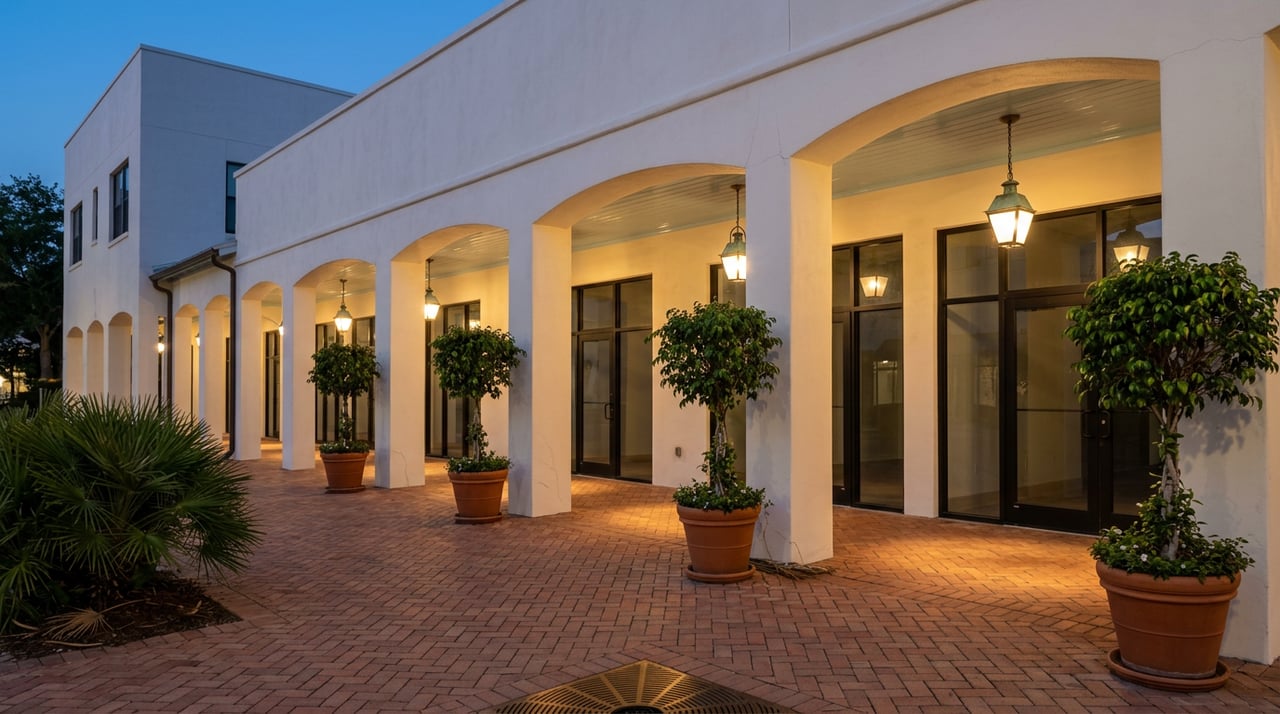
The street design goals also support that experience. In the Beach District, the city points to features like wide sidewalks, pavers, street lighting, and storefront continuity. In Pineapple Grove, the plan encourages pedestrian-friendly infill and continuous storefronts, both of which make walking feel easier and more natural.
For many residents, walkable living in Downtown Delray Beach means your routine can stay compact and convenient. You may be able to walk to coffee, dinner, a workout class, shopping, arts and culture, or a quick beach outing without needing to plan your day around driving.
The downtown district itself is organized around categories like food and drink, arts and culture, beauty and wellness, hotels, and shopping. That mix is one reason downtown can feel less car-dependent than many coastal areas. Instead of one destination, you have a network of nearby stops that support everyday life.
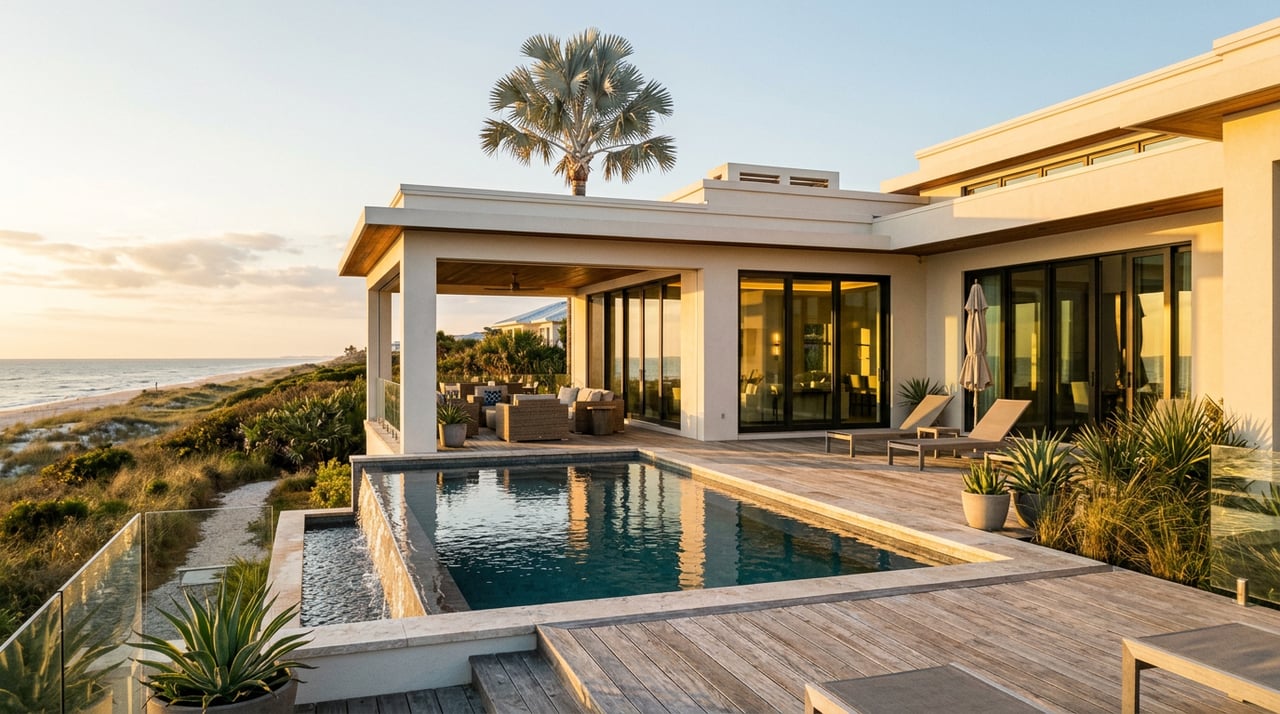
One of the biggest draws of Downtown Delray Beach is that the beach can be part of your normal routine, not just a weekend plan. Delray Municipal Beach is centered at the east end of Atlantic Avenue, which makes it a natural extension of downtown living.
Beachside adds another layer to that appeal. The area is described as the place where you cross the Intracoastal bridge to the ocean and find restaurants, hotels, surf shops, and the Sandoway House Nature Center. The city also notes access mats and beach wheelchairs at the main Atlantic and A1A beach access, which is useful for understanding practical access at the shoreline.
Even buyers who want a walkable lifestyle usually do not want to give up flexibility. Downtown Delray Beach has a few systems in place that can make life feel more car-light without requiring you to be completely car-free.
The city offers Freebee, a free on-demand service in and around historic downtown. Public parking is also available through garages, lots, and on-street spaces, and Atlantic Avenue parking extends from A1A to the Intracoastal with side-street parking one block north and south. For residents without private parking, downtown resident parking permits are also available.
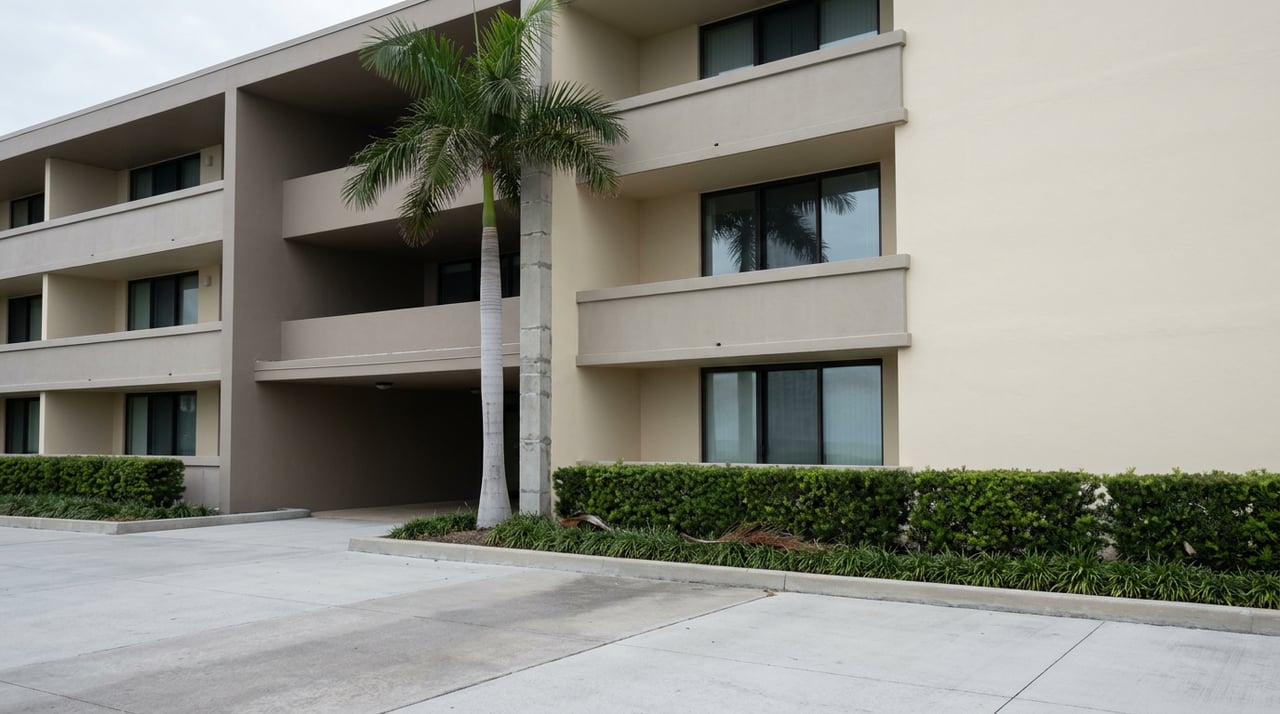
If you want the easiest version of walkable living downtown, your best fit will often be a condo, apartment, or mixed-use residence. The current downtown residential directory includes many multifamily and condo options, including buildings such as 111 First, Astor Condos, Pineapple Grove Village Condos, Brez at Atlantic Crossing, Caspian Delray Beach, SOFA Luxury Apartments, and Worthing Place Luxury Apartments.
That pattern lines up with the city’s planning goals. Downtown is designed to support mixed-use development and residential-above-commercial buildings, along with higher-density housing in the core. In other words, the built form that tends to make walking easiest is already part of how downtown has been planned.
A common mistake is to focus only on the building name or neighborhood label. In Downtown Delray Beach, the block itself can shape your daily experience just as much as the residence.
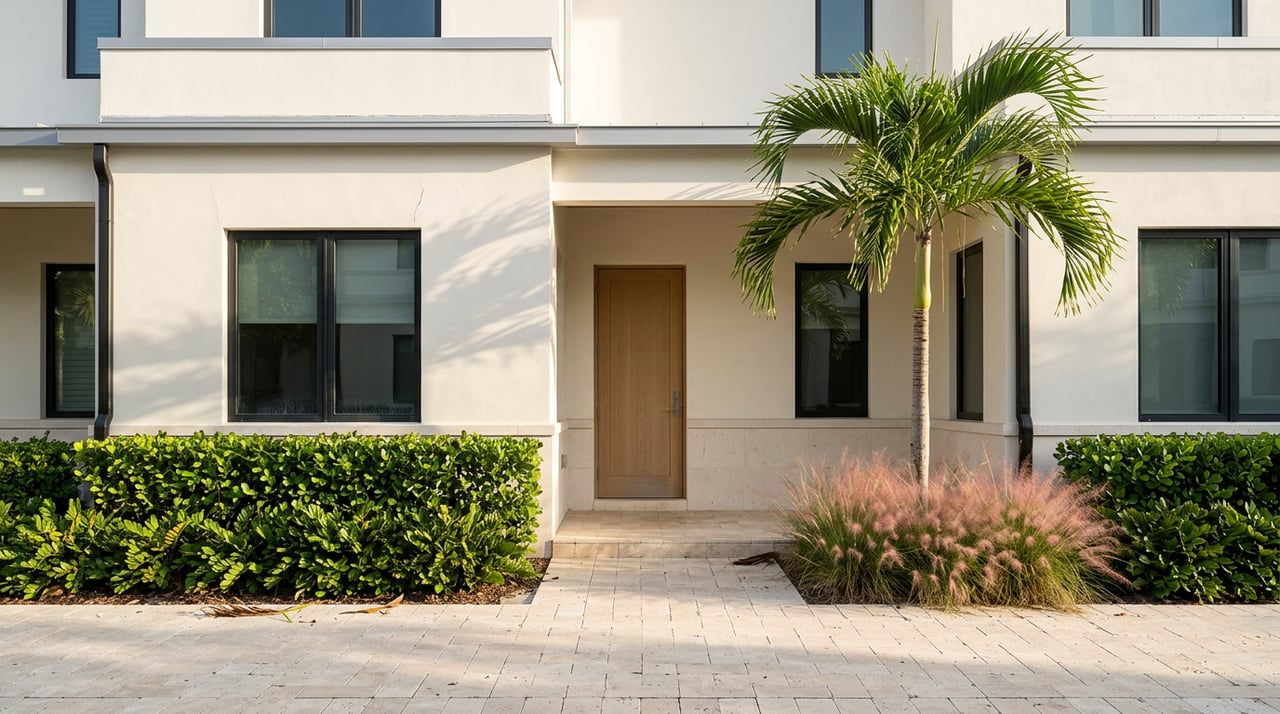
The city’s master plan notes that broad gaps in the street wall, parking lots, and uneven setbacks can weaken the pedestrian experience. On the other hand, features like continuous storefronts, screened parking, public courtyards, and townhouse-like street elevations can make a street feel more connected and comfortable on foot. That is why two homes with similar square footage can offer very different day-to-day lifestyles.
Walkability is not one-size-fits-all. Downtown Delray Beach offers several small pockets with different strengths, so it helps to match the area to how you want your days to feel.
If you want to be close to dining, nightlife, galleries, wellness businesses, and shopping, The Ave is often the clearest fit. Merchant listings show a strong concentration of businesses on and near East Atlantic Avenue, which supports a highly convenient daily routine.
This area usually appeals to buyers who want energy and activity right outside their door. If your version of walkable living means stepping out for dinner, errands, or an evening stroll without much planning, this pocket deserves a close look.
Pineapple Grove is often a strong match if you want a mixed-use setting with an arts-forward identity. The city describes it as arts-oriented and pedestrian friendly, and the DDA highlights destinations like Arts Warehouse and boutique shopping.
For many buyers, Pineapple Grove offers a slightly different rhythm than Atlantic Avenue itself. You still get strong walkability, but the streetscape and land-use pattern may feel more focused on creative spaces and neighborhood-style browsing.
SOFA can be a good option if you want to stay south of Atlantic while remaining within walking distance of restaurants, retail, and parking. The DDA’s apartment information for the area shows that nearby amenities and garages are part of the practical appeal.
This pocket may suit buyers who want downtown access without being in the middle of the busiest blocks. If you like the idea of walking to the action and then returning to a calmer setting, SOFA is worth considering.
If your main goal is to make the beach part of everyday life, Beachside stands out. The area connects downtown to the ocean experience, with access to beach-oriented businesses and destinations across the Intracoastal.
For some buyers, this is the most natural fit for a second home or a lifestyle-driven move. If morning beach walks or easy access to the shoreline matter more than being in the center of dining and nightlife, Beachside may be the better match.
If you are comparing homes in Downtown Delray Beach, a simple framework can help. Start by prioritizing buildings within a few blocks of Atlantic Avenue, since that is where the strongest pedestrian environment tends to be.
Then look at the details that affect daily ease:
This kind of block-level review can save you from choosing a home that looks good on paper but feels less connected once you live there.
Downtown Delray Beach offers a genuinely walkable lifestyle, but it works best when you choose with intention. The area is made up of several distinct pockets, and the easiest daily routine on foot is usually found near Atlantic Avenue or in areas designed with mixed-use streetscapes in mind.
If you are planning a move, it helps to look beyond the headline of “walkable downtown” and ask a more useful question: What kind of walkable life do you want? Once you know that, it becomes much easier to narrow the right building, block, and neighborhood pocket for your needs.
If you want help comparing downtown condos, mixed-use residences, or beach-close options in Delray Beach, Erica Sturtze offers a calm, local, no-pressure approach to finding the right fit.
Stay up to date on the latest real estate trends.
Get assistance in determining current property value, crafting a competitive offer, writing and negotiating a contract, and much more. Contact me today to find out how I can be of assistance to you!